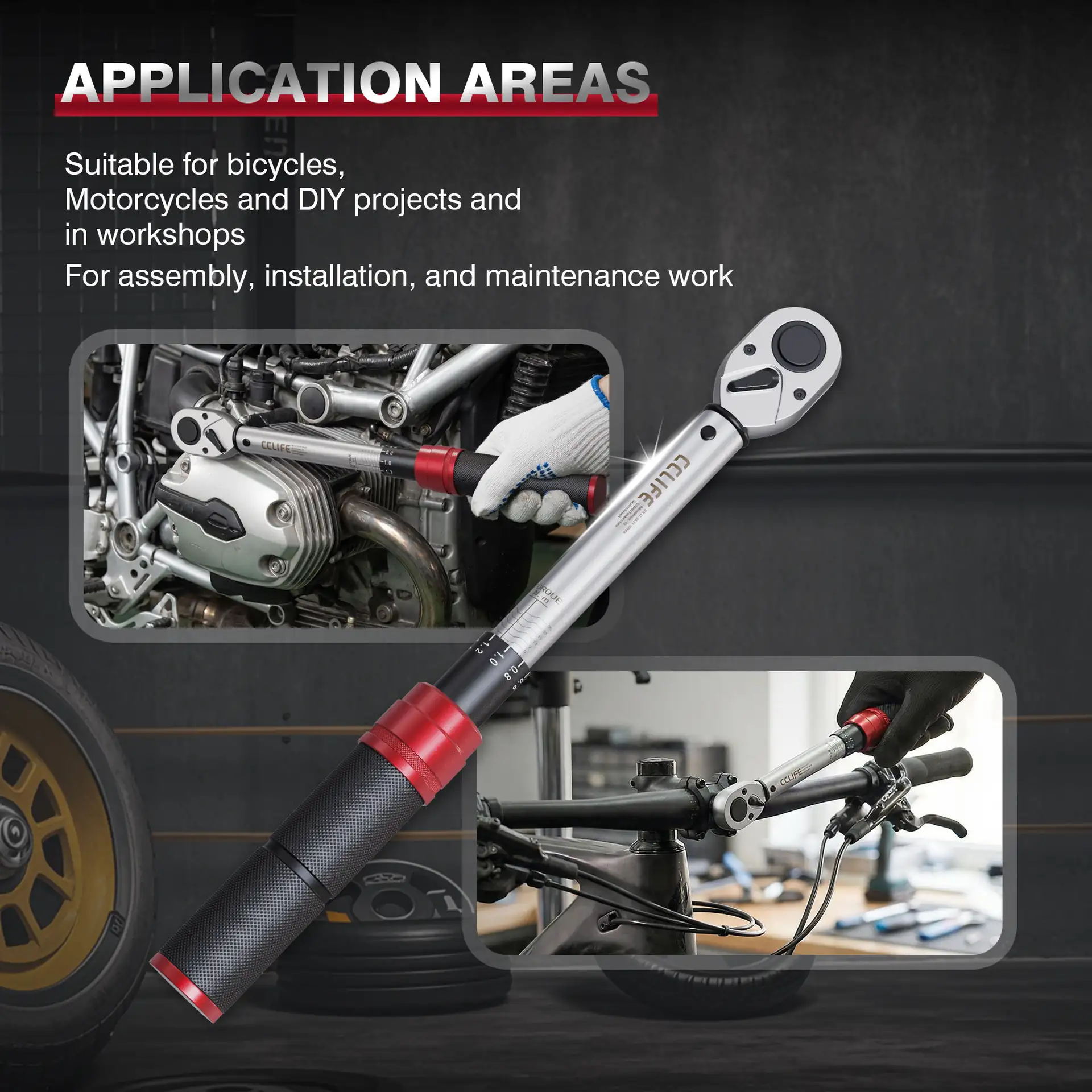
The Ultimate Guide to Choosing a Digital Angle Torque Wrench for Precision Engine Work
A practical buyer's guide for UK mechanics and DIY enthusiasts who need accurate torque-and-angle measurement for modern TTY fasteners, head gasket replacements, and critical engine assembly work in 2026.
What Is a Precision angle torque wrench?
A electronic angle torque wrench combines precise torque measurement with an electronic angle gauge in a single tool. It lets you tighten a fastener to a specific Nm value, then rotate it through an exact number of degrees — which is precisely what torque-to-yield (TTY) bolt specifications require.
Start with a reliable base tool: the Sealey 1/2" Sq Drive Micrometer Torque Wrench (£115.24, free UK delivery) handles the initial Newton-metre stage before you add angle measurement.
I've been working on engines since my early twenties, and honestly, the shift from click-type wrenches to digital units changed everything about how I approach cylinder head work. Back when I was doing my engineering studies, we'd use a separate protractor adapter bolted onto a standard torque wrench. Clunky doesn't begin to describe it.
Modern electronic torque and angle wrenches read in real time. You'll see a live Nm readout on an LCD or LED display, hear an audible beep at your target value, then switch to angle mode for the final rotation. Most decent units offer ±2% accuracy on torque and ±1° on angle measurement. That's the kind of precision that keeps head gaskets alive.
Why does this matter for UK workshops in 2026? Because virtually every modern engine — from Ford's EcoBoost to BMW's B-series — uses TTY fasteners for critical joints. You can't torque these correctly without angle measurement. Full stop.
Why TTY Fasteners Demand Angle Measurement
Torque-to-yield fasteners are designed to stretch into their plastic deformation zone, creating a more consistent clamping force than traditional torque-only methods. They're everywhere in modern engines: cylinder head bolts, main bearing caps, connecting rod bolts, flywheel bolts.
Here's the thing most people get wrong. A TTY bolt specification isn't just "tighten to 30 Nm then turn 90°." It's typically a multi-stage process:
Typical TTY Head Bolt Sequence (e.g., Ford 1.0 EcoBoost)
- Stage 1: Tighten to 20 Nm in sequence
- Stage 2: Tighten to 35 Nm in sequence
- Stage 3: Rotate 90° in sequence
- Stage 4: Rotate additional 90° in sequence
Try doing stages 3 and 4 accurately with a manual protractor while you're lying under a bonnet in a Belfast garage in February. I've done it. It's miserable and imprecise.
A digital angle torque wrench handles all four stages with one tool. You set your Nm target for stages 1 and 2, then switch to angle mode for stages 3 and 4. The tool beeps when you hit your mark. Sorted.
The British Standards Institution (BSI) references ISO 6789 for hand torque tool calibration, and any professional-grade digital wrench should meet this standard. If a manufacturer can't confirm ISO 6789 compliance, walk away.
Key Features to Look For in a Digital Angle Torque Wrench
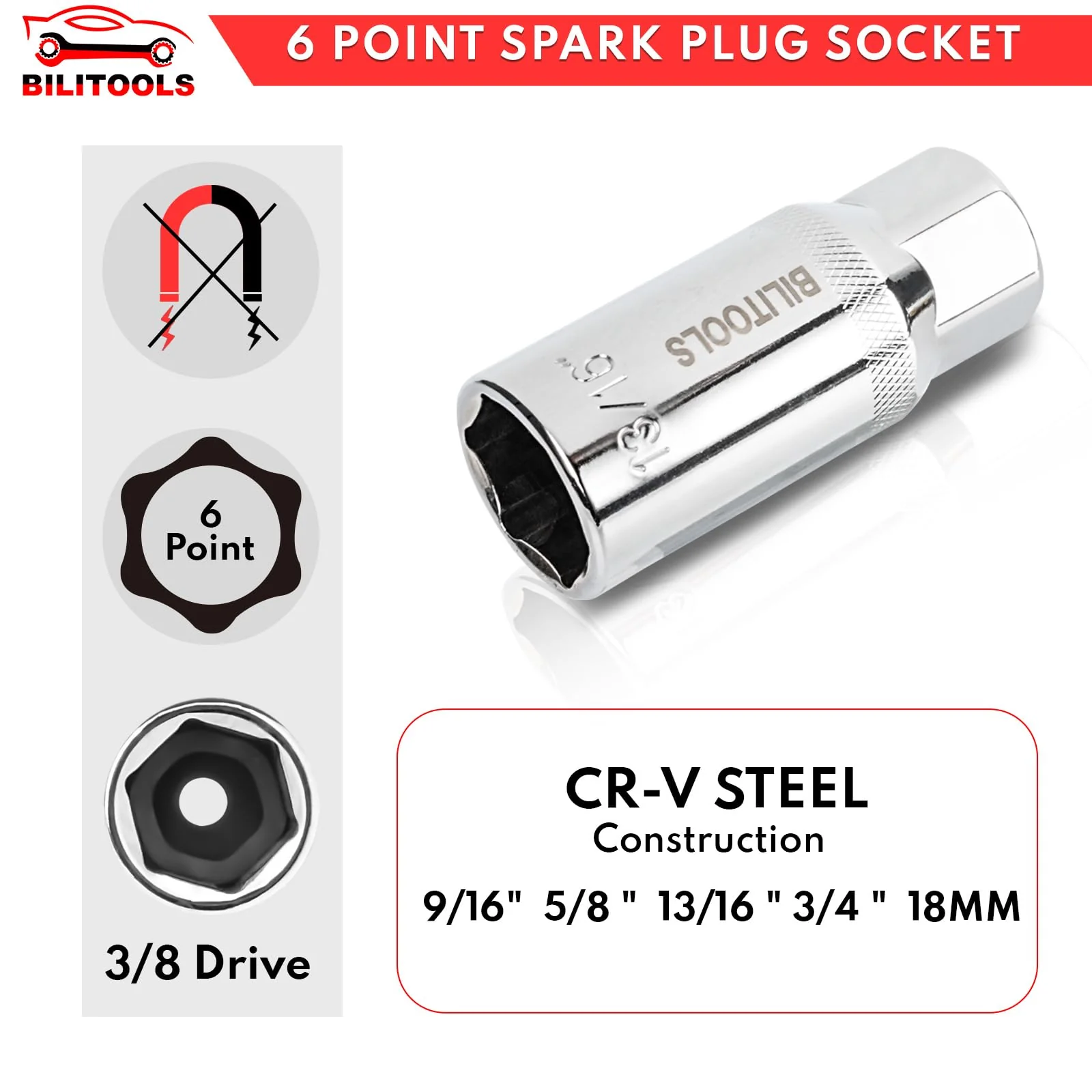
Not all electronic torque wrenches are created equal. After testing several models over the past three years — and watching colleagues burn through cheap units — here's what actually matters.
Accuracy and Calibration
Look for ±2% clockwise accuracy as a minimum. Better units achieve ±1%. The angle measurement should be ±1° or better. Calibration certificates should be traceable to UKAS standards. Most professional tools need recalibration every 12 months or 5,000 cycles, whichever comes first.
Drive Size
For engine work, you'll want 1/2" square drive. It covers the 40–200 Nm range that most cylinder head and crankshaft specifications fall within. A 3/8" drive suits smaller fasteners — injector bolts, valve cover bolts, that sort of thing.
Display and Interface
Backlit displays aren't optional. You're often working in poor light. The best units show both torque and angle simultaneously. Some even offer a bar graph that fills as you approach target — brilliant for feeling your way to the right value without staring at the screen., a favourite among Britain’s tradespeople
Build Quality and Warranty
Ratchet mechanism quality matters enormously. A 72-tooth ratchet gives you 5° of swing arc, which is tight enough for most engine bay work. Sealey tools typically use 72-tooth mechanisms across their professional range. The Sealey 1/2" square drive torque wrench is a solid example of this build standard.
Memory and Presets
Being able to store 10–20 preset values saves real time on production work. If you're doing three head gasket jobs a week, you don't want to re-enter specs every time.
Sealey Tools: The UK Professional's Choice
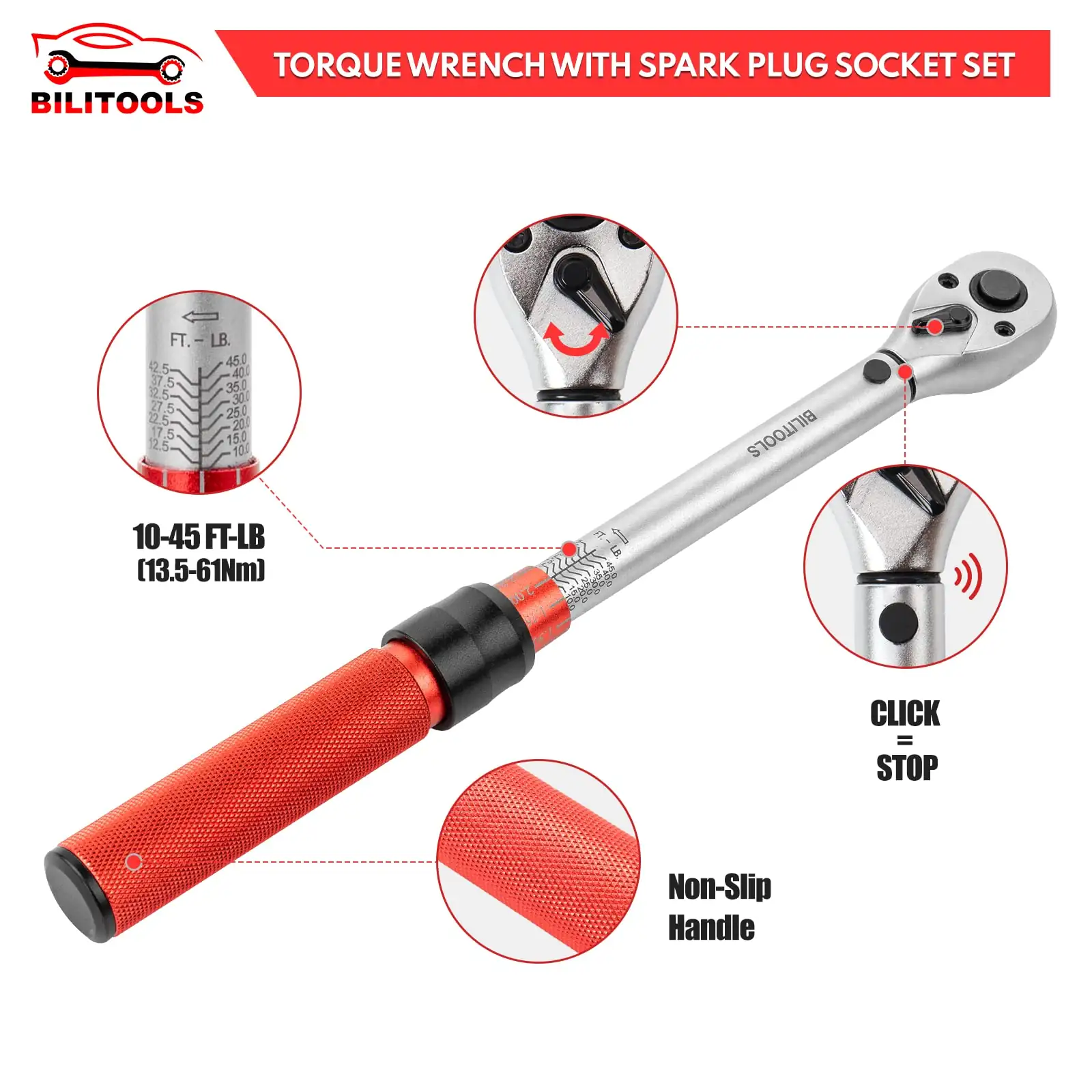
Sealey has been supplying UK workshops for over 45 years. Their torque wrench range covers everything from basic click-type units to full digital angle models. The price-to-quality ratio is where they earn their reputation — you're not paying for a badge, you're paying for engineering.
The SEALEY Ratchet Wrench Engine Service kit at £115.24 with free UK delivery is a decent entry point for general ratchet work. For precision torque-and-angle measurement, though, you'll want to look at their dedicated digital torque wrench range.
So what sets Sealey apart from, say, a Teng Tools or DeWalt equivalent? Three things, in my experience:
- UK-focused support: Warranty claims don't involve shipping to Germany or the States
- Calibration service: Sealey offer recalibration through their UK service centres
- Replacement parts: Ratchet heads, batteries, and accessories remain available for years after purchase
My mate who runs a workshop in Lisburn swears by his Sealey digital wrench. He's had it four years, recalibrated once, and it still reads within spec. That's the kind of longevity you want from a tool you're trusting with £2,000 engine rebuilds.
Worth the extra spend over a no-name Amazon unit? Absolutely. Cheap digital wrenches can drift by 5–8% within six months — and on a TTY bolt, that's the difference between a sealed combustion chamber and a blown head gasket at 3,000 miles.
Digital Torque Wrench Comparison: What's on the Market in 2026
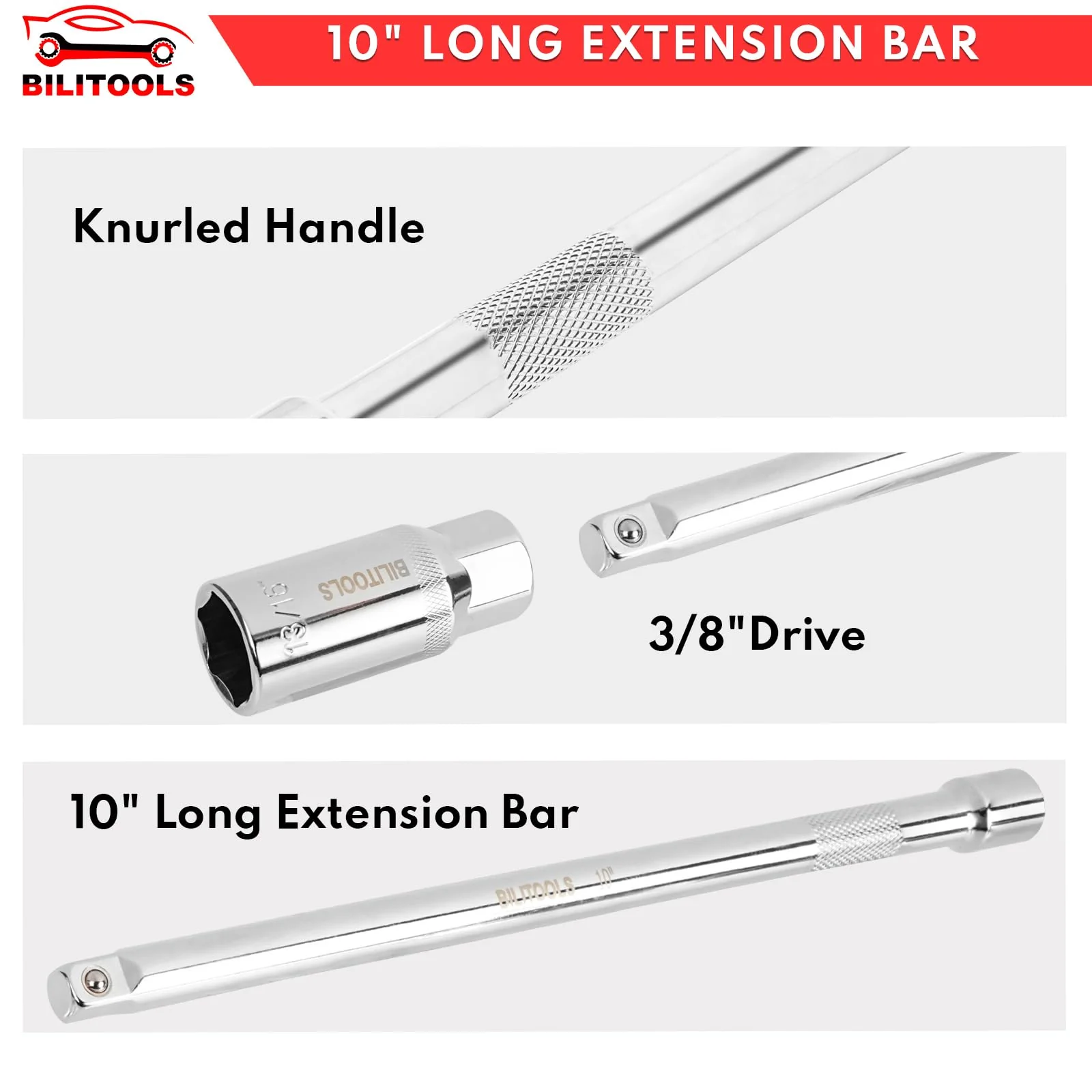
Here's how the main options stack up for UK buyers looking at a digital angle torque wrench for engine work this spring.
| Feature | Sealey Digital (Professional) | Milwaukee Tool Set (M12) | Budget Digital (Generic) | Makita Tool Set (Cordless) |
|---|---|---|---|---|
| Drive Size | 1/2" sq | 1/2" sq | 1/2" sq | 3/8" sq |
| Torque Range | 17–340 Nm | 13.5–135 Nm | 10–200 Nm | 12–64 Nm |
| Torque Accuracy | ±2% CW | ±2% CW | ±3–5% CW | ±2% CW |
| Angle Measurement | Yes, ±1° | No (torque only) | Yes, ±2° | No |
| ISO 6789 Compliant | Yes | Yes | Often not certified | Yes |
| Price Range (GBP) | £120–£280 | £180–£350 | £35–£70 | £200–£400 |
| UK Calibration Service | Yes | Limited | No | Limited |
| Warranty | 1–3 years | 3 years | 6–12 months | 3 years |
Notice that the Milwaukee and Makita options — both excellent power tools — don't actually offer angle measurement. They're digital torque wrenches, not torque-and-angle wrenches. That's a critical distinction. If you need TTY capability, you need the angle function. The Sealey professional range and some mid-range options from Norbar are your best bets for combined torque-and-angle in the UK market.
How to Use a Digital Torque and Angle Wrench Properly
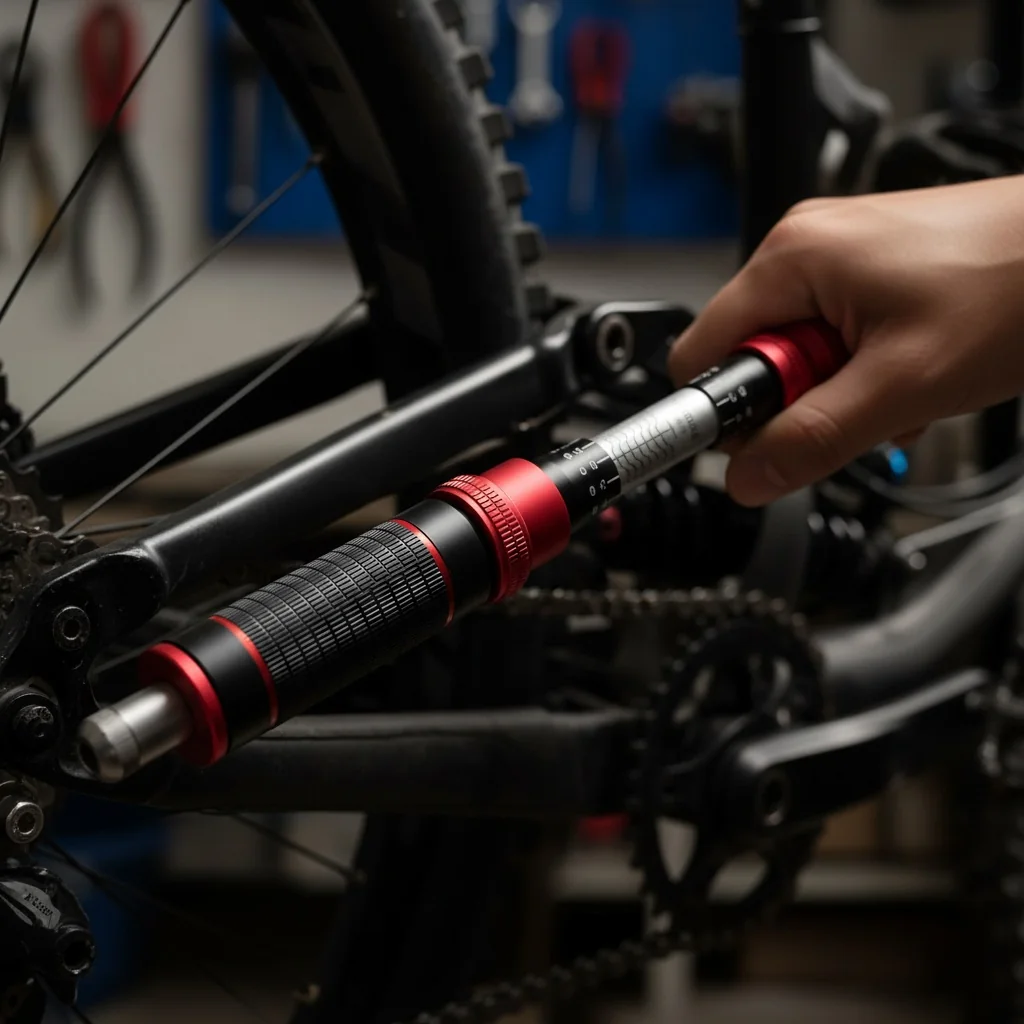
Owning the right tool is half the battle. Using it correctly is the other half — and I see experienced mechanics get this wrong more often than you'd think.
Step-by-Step: Head Bolt Torque-to-Yield Procedure
- Zero the tool: Place the wrench on a flat surface and zero both torque and angle readings before starting
- Set Stage 1 torque: Input your first Nm value (typically 20–40 Nm for initial pass)
- Follow the sequence: Always tighten in the manufacturer's specified pattern — usually centre-outward
- Switch to angle mode: After completing torque stages, reset and select angle measurement
- Apply rotation: Tighten smoothly and continuously until the display shows your target degrees
- Don't stop and restart: Once you begin the angle stage, complete it in one smooth motion
That last point trips people up. If you stop halfway through a 90° rotation, the bolt's yield characteristics change. You can't just pick up where you left off. Some modern digital wrenches do track cumulative angle even if you pause, mind you — but continuous rotation is still best practice.
Calibration and Storage
Store your electronic torque wrench in its case, unloaded (set to zero or lowest value). Keep it away from extreme temperatures — the strain gauges inside are sensitive. The Health & Safety Executive recommends regular calibration checks for all torque equipment used in safety-critical applications, and engine assembly definitely qualifies.
I keep mine in the house rather than the garage over winter. Belfast temperatures can drop below freezing in January, and LCD displays don't love that. (My wife has opinions about this arrangement, but the wrench reads true, so here we are.), popular across England
Common Mistakes That Ruin Engine Builds
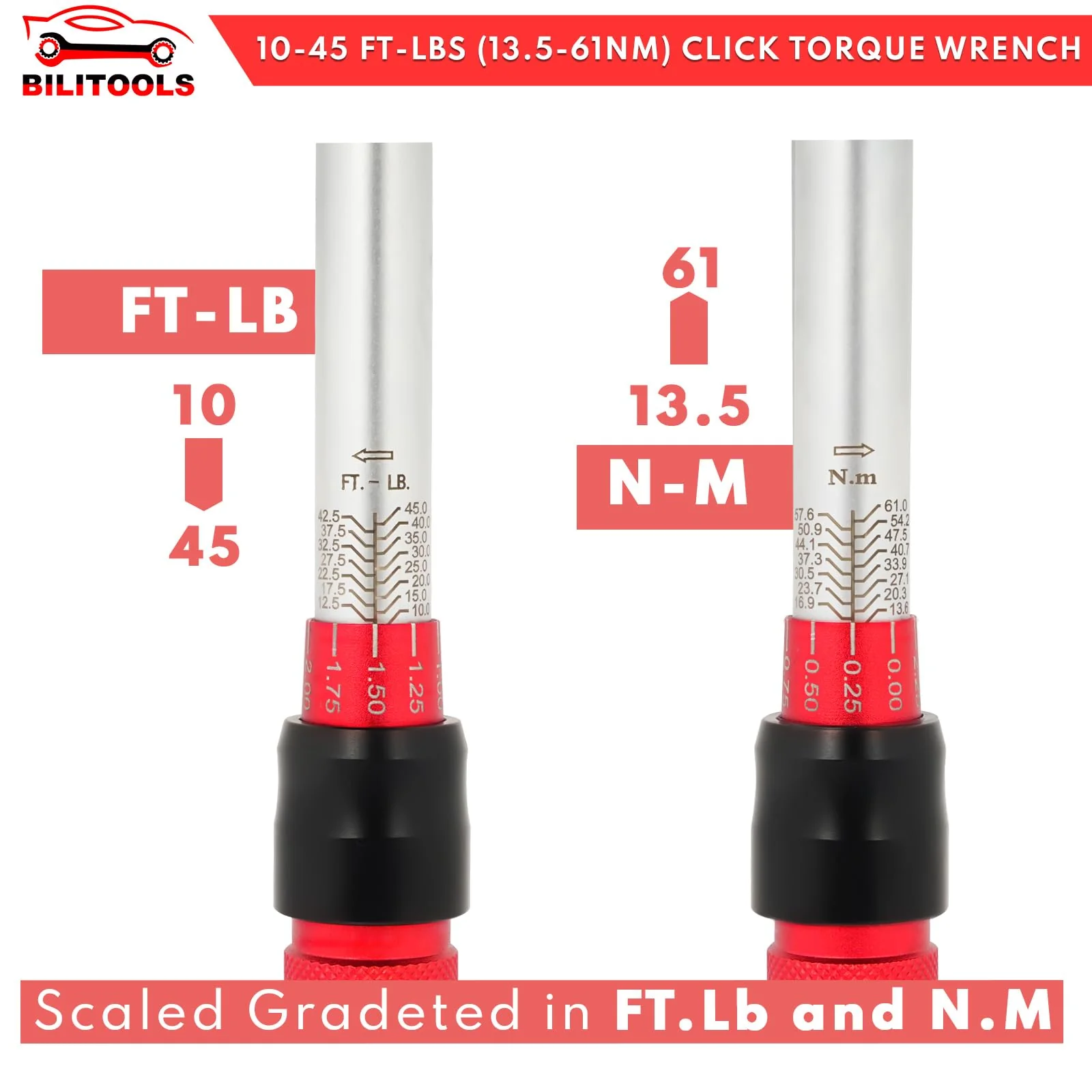
After years of seeing botched head gasket jobs come through — both professionally and from mates asking for help — these are the errors that keep recurring.
Using a Click Wrench for TTY Bolts
A standard click-type torque wrench can't measure angle. People try to eyeball 90° or use a marker pen on the bolt head. That's guesswork, not engineering. A proper digital angle torque wrench removes all ambiguity.
Ignoring the Tightening Sequence
Head bolts must be tightened in a specific pattern to distribute clamping force evenly across the gasket. Skip this and you'll get uneven compression, warped surfaces, and coolant leaks within 5,000 miles.
Reusing TTY Bolts
TTY bolts are single-use. They've been stretched beyond their elastic limit. Reusing them is false economy — a set of head bolts costs £30–£80. A replacement head gasket job costs £800–£1,500 in labour alone.
Not Accounting for Lubrication
Torque specs assume a specific friction condition. If the manufacturer says "lightly oiled threads," that's not optional. Dry threads can read 30% higher friction torque while delivering less actual clamping force. Your digital wrench reads torque accurately — but torque only correlates to clamp load if friction is controlled.
I know this sounds like a lot of fuss over some bolts. But a £4,000 engine rebuild can fail because someone reused stretch bolts and guessed the angle — and that's an expensive lesson to learn firsthand. A decent Sealey torque wrench pays for itself on the first job it saves.
Before You Buy
- 30-day returns and 12-month UK warranty on all SEALEY products
- Free UK delivery dispatched from our UK warehouse
- Pair angle measurement with a calibrated micrometer wrench for two-stage torque workflows
Frequently Asked Questions
What's the difference between a digital torque wrench and a electronic angle torque wrench?
A digital torque wrench measures only rotational force in Nm or ft-lb. A precision angle torque wrench measures both torque and angular rotation in degrees, making it essential for torque-to-yield fasteners. The angle function adds £40–£100 to the price but is mandatory for modern cylinder head work where specs require rotation after initial torque — typically 60° to 180° depending on the application.
How often should I calibrate my electronic angle torque wrench?
Calibrate every 12 months or 5,000 cycles, whichever comes first. ISO 6789 requires traceable calibration for professional use. Sealey offer UK-based recalibration services, typically costing £25–£45 per tool. If you drop the wrench or suspect damage, recalibrate immediately regardless of schedule — impact can shift readings by 3–5%.
Can I use a digital angle torque wrench for wheel nuts?
Yes, and you should. Most UK passenger car wheel nuts require 110–120 Nm. A digital wrench gives you exact confirmation rather than relying on a click you might miss in a noisy environment. You won't need the angle function for wheel nuts — they're standard torque-only — but having it available means one tool covers both jobs. The Trading Standards guidance on vehicle safety makes proper wheel torque a legal responsibility.
What torque range do I need for engine work?
For most petrol and diesel engines, a 1/2" drive wrench covering 20–200 Nm handles 90% of tasks. Head bolts typically require 20–80 Nm initial torque plus angle. Crankshaft pulley bolts can reach 150–200 Nm. If you work on heavy diesel or commercial vehicles, consider a unit reaching 340 Nm. The Sealey professional range covers 17–340 Nm in their top-spec model.
Is a digital angle torque wrench worth it for DIY mechanics?
If you're doing any work involving TTY fasteners — head gaskets, timing chain covers, main bearings — then yes, absolutely. A quality unit costs £120–£280 and prevents mistakes that could destroy a £2,000+ engine. Even for occasional use, the precision and confidence it provides makes it bang for your buck compared to the cost of getting it wrong. The SEALEY Ratchet Wrench Engine Service at £115.24 covers basic ratchet needs, but critical torque work demands the digital upgrade.
Do Sealey digital torque wrenches come with a calibration certificate?
Yes. Sealey professional-grade torque wrenches ship with a calibration certificate traceable to national standards. This certificate confirms the tool meets ±2% accuracy at the time of manufacture. For ongoing compliance with ISO 6789, you'll need annual recalibration — Sealey's UK service centres handle this with typical turnaround of 5–7 working days and costs between £25–£45.
Key Takeaways
- A digital angle torque wrench is non-negotiable for TTY fastener work — modern engines from 2010 onwards almost universally use torque-to-yield bolts for cylinder heads, requiring both Nm and degree measurement.
- Accuracy matters: look for ±2% torque and ±1° angle accuracy minimum, with ISO 6789 compliance and UKAS-traceable calibration.
- Sealey tools offer the best value proposition for UK professionals — competitive pricing from £120, UK-based calibration services, and long-term parts availability through sealeydrive.co.uk.
- Budget digital wrenches (under £70) often lack angle measurement accuracy and rarely carry ISO certification — a false economy for safety-critical engine work.
- Calibrate annually or every 5,000 cycles — whichever comes first. Store unloaded, away from temperature extremes.
- Never reuse TTY bolts — they're designed for single use. A £50 bolt set is cheap insurance against a £1,500 repeat repair.
- In 2026, combined torque-and-angle tools have dropped in price significantly — there's no longer a valid excuse for guessing angles with marker pens and protractors.
Ready to try SEALEY?
Shop Now — £115.24