Wheel Nut Torque Settings UK: A Home Mechanic's Guide
Wheel nut torque is one of those specifications that sounds trivial until something goes wrong. Online discussions are full of cautionary tales: alloy wheels cracked from impact guns, locking wheel nuts rounded because a tyre shop skipped the final torque check, and drivers discovering—sometimes at motorway speed—that "tight enough" is not a measurement.
Every UK vehicle has a manufacturer-specified wheel nut torque, usually expressed in Newton-metres (Nm). This guide explains how to find your car's setting, why it matters for MOT preparation and safety, and how a calibrated 1/2 inch drive torque wrench turns guesswork into repeatable results.
Why Wheel Nut Torque Matters More Than You Think
Wheel nuts clamp the wheel to the hub with precise clamping force. Too little torque and nuts can back off under vibration—dangerous at any speed. Too much torque stretches studs, distorts brake discs (causing pulsation under braking), and can crack alloy wheels, especially on lower-profile tyres common on UK roads.
Forum users frequently report warped rotors after DIY tyre changes where an impact wrench did the final tightening. The fix is simple: use the impact gun to seat the wheel if you must, then finish with a calibrated torque wrench set to your manufacturer's Nm value.
Typical Wheel Nut Torque Values for UK Cars
Always confirm against your owner's manual or a workshop data source—specifications change between model years. These ranges illustrate common passenger car values:
| Vehicle Type | Typical Torque (Nm) | Notes |
|---|---|---|
| Small hatchback (e.g. Ford Fiesta, Vauxhall Corsa) | 95–110 Nm | Check steel vs alloy wheel differences |
| Medium saloon (e.g. BMW 3 Series, VW Golf) | 110–120 Nm | Some BMW specs use bolt stretch sequences |
| SUV / 4x4 (e.g. Land Rover, Nissan Qashqai) | 120–140 Nm | Larger studs often need higher values |
| Light commercial (e.g. Ford Transit) | 130–160 Nm | Verify per wheel size and load rating |
If you have changed wheel size or fitted aftermarket alloys, recheck torque after 50–100 miles. Settling can loosen nuts that were correctly torqued initially.
The Correct Wheel Change Sequence
- Clean contact surfaces: Remove rust and dirt from the hub face and wheel centre bore. A wire brush takes two minutes and prevents misalignment.
- Hand-start all nuts: Cross-pattern finger tightening prevents cross-threading.
- Snug with a wrench: Bring nuts down evenly in a star pattern before applying final torque.
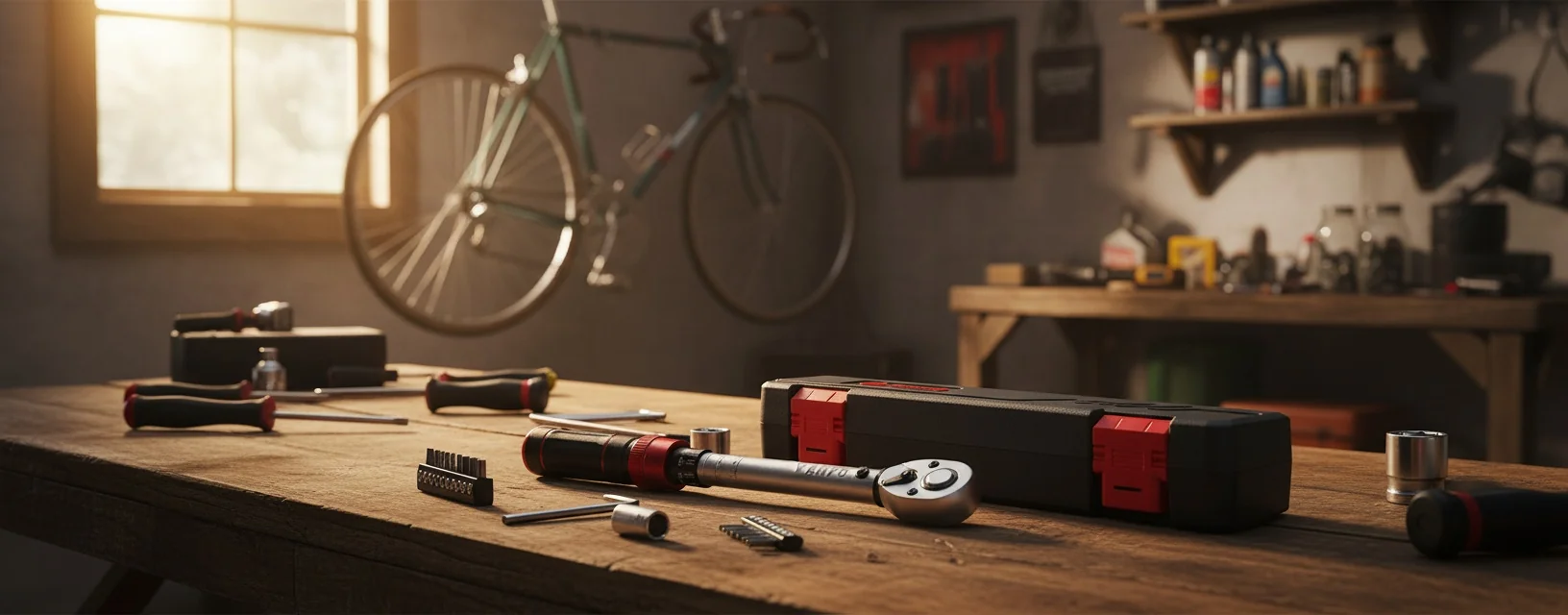
- Set your torque wrench: Dial to the manufacturer Nm value. For a Sealey 1/2" Sq Drive Micrometer Torque Wrench, the micrometer scale clicks at target.
- Torque in a star pattern: Tighten nut 1, then opposite, then next cross, and so on. Repeat the pattern once to confirm.
- Re-check after driving: Industry guidance recommends checking torque after 50–100 miles on a newly fitted wheel.
Impact Guns vs Torque Wrenches: What Garages Get Wrong
Dealership bays often use impact guns for speed, then—when procedures are followed—a torque wrench for final setting. When they skip step two, customers pay with damaged wheel locks and warped discs. Home mechanics with a single 1/2 inch drive torque wrench at £115.24 can outperform a rushed commercial tyre fitter on this one metric.
Reddit threads from r/MechanicAdvice highlight a sobering pattern: drivers assuming lug nuts "only need to be snug" until a wheel comes loose or a locking nut shears. Torque to spec every time you remove a wheel—not just after full tyre changes.
Wheel Locks and Aftermarket Nuts
Locking wheel nuts add a complication. Overtightening is the primary cause of rounded keys and sheared locks—exactly the scenario described in multiple forum posts where both owner and dealer keys failed. Use the same manufacturer torque value unless the lock manufacturer specifies otherwise, and never exceed it "for security."
Seasonal Considerations for UK Drivers
Many British drivers swap between summer and winter tyres twice a year. That is four wheel removals annually minimum—four opportunities to get torque wrong. Store your torque wrench at minimum setting between seasons and keep it in a dry box; damp garage condensation is common from October through March.
Before MOT, a quick wheel nut torque check takes five minutes and eliminates one source of tester concern when the vehicle goes on the ramp.
Choosing the Right Torque Wrench for Wheel Work
Most passenger car wheel nuts fall between 90 and 140 Nm. A 1/2 inch square drive micrometer wrench covers this range comfortably. The Sealey model available here is calibrated, chrome-plated for corrosion resistance in damp garages, and includes free UK delivery with a 12-month warranty.
Do you also need a 3/8 inch wrench? Only if you regularly work on smaller fasteners below 20 Nm. For wheel nuts alone, 1/2 inch drive is the correct starting point.
Steel vs Alloy Wheels: Torque Differences
Some manufacturers specify different torque values for steel and alloy wheels on the same vehicle. Alloy wheels are more susceptible to cracking from over-torquing because the nut seat is softer. Always check the sticker in your door jamb or the owner's manual—do not assume the value printed on a generic torque chart online applies to your exact trim level.
When to Replace Rather Than Recalibrate
If your wrench is a no-name import with no calibration history, visible scale wear, or a ratchet that slips, replacement is often cheaper than professional recalibration. A fresh Sealey micrometer torque wrench at £115.24 with warranty coverage eliminates the guesswork of inherited tools from car boot sales or marketplace second-hand listings.
Frequently Asked Questions
Can I use an impact wrench for wheel nuts if I am careful?
An impact gun can seat the wheel quickly, but it cannot guarantee final torque. Always finish with a calibrated wrench set to the manufacturer's Nm specification. Many warped brake discs trace back to impact-only tightening.
Do I need to re-torque wheel nuts after a tyre change?
Yes. Check torque after driving 50–100 miles. Nuts can settle as the wheel seats fully on the hub, slightly reducing clamping force.
What happens if I over-torque wheel nuts?
Over-torquing stretches wheel studs, can crack alloy wheels, and warps brake discs—leading to pulsation under braking and premature pad wear. Under-torquing risks nuts working loose. Both are avoidable with a £115.24 calibrated wrench.
Get the Right Tool for Wheel Work
The Sealey 1/2" Sq Drive Micrometer Torque Wrench delivers calibrated accuracy for wheel nut torque settings at £115.24 with free UK delivery. 12-month UK warranty · 30-day returns.